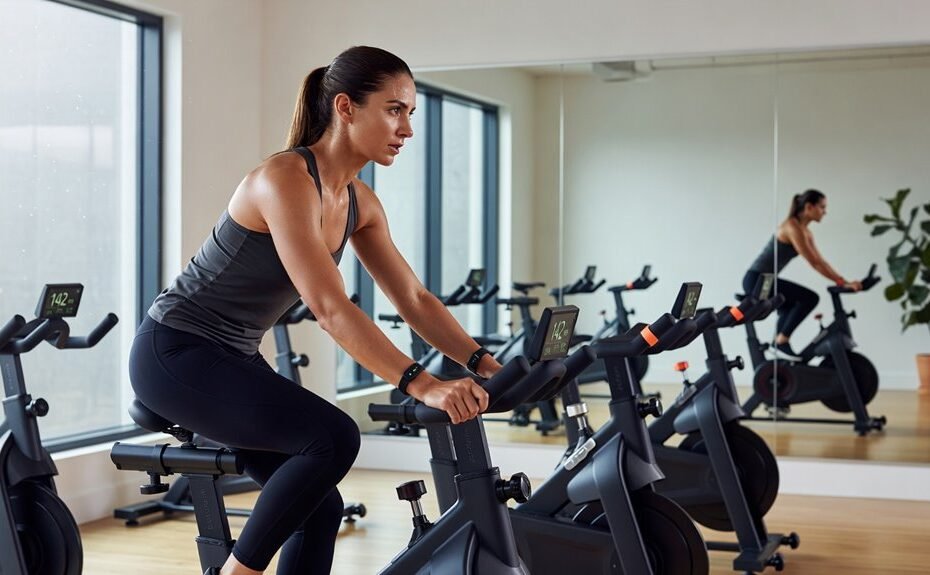
You might think all pulse sensors are the same, but the difference in accuracy, battery life, and connectivity can change your indoor rides. We’ve tested dozens of models and narrowed it down to the ten that actually work well with Zwift, Peloton, and TrainerRoad. Some mount on the crank, others on the hub, and a few even strap to your arm for dual‑data tracking. The list includes Bluetooth, ANT+, and dual‑mode options, plus models with waterproof ratings and sleep modes to keep them on longer. Keep reading to see which sensors meet these practical needs and why they stand out.
Some of the links in this article may be affiliate links. If you make a purchase through these links, we may earn a small commission at no extra cost to you. Thank you.
| Magene Bluetooth/Ant+ Speed & Cadence Sensor for Cycling | 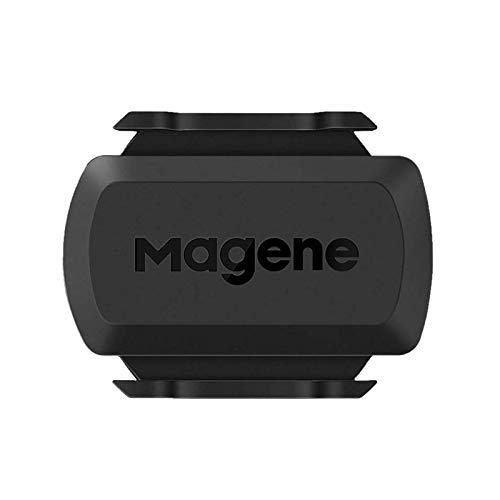 | Best Overall | Connectivity: Bluetooth / ANT+ | Power Source: Lithium manganese dioxide battery | Mounting Type: Stem or handlebar mount | VIEW LATEST PRICE | Read Our Analysis |
| Digital Exercise Bike Monitor Console with LCD Display | 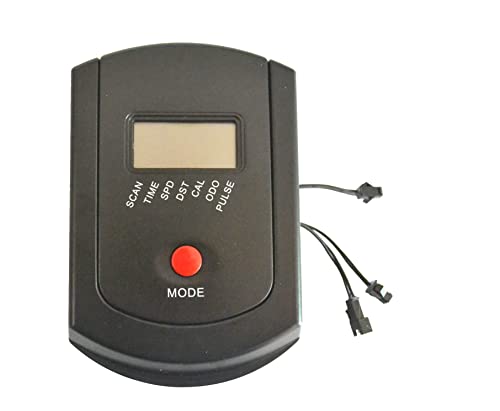 | Budget-Friendly Pick | Connectivity: Wired JST connector | Power Source: 2 × AAA batteries (not included) | Mounting Type: JST port on spin bike frame | VIEW LATEST PRICE | Read Our Analysis |
| Magene Bluetooth/Ant+ Speed Cadence Sensor for Bikes | 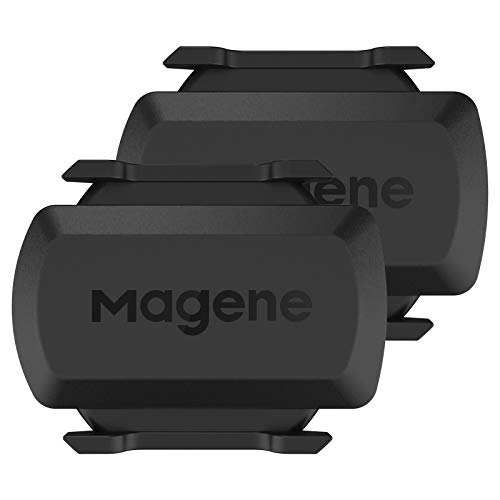 | Best Value | Connectivity: Bluetooth / ANT+ | Power Source: Lithium manganese dioxide battery | Mounting Type: Handlebar mount | VIEW LATEST PRICE | Read Our Analysis |
| COROS Bike Cadence Sensor – Bluetooth RPM Tracker |  | Professional Grade | Connectivity: Bluetooth only | Power Source: CR2032 battery | Mounting Type: Crank arm mount | VIEW LATEST PRICE | Read Our Analysis |
| GEOID CS600 Cadence/Speed Sensor (ANT+/Bluetooth) |  | Most Versatile | Connectivity: Bluetooth / ANT+ | Power Source: Lithium polymer (CR2032) battery | Mounting Type: Handlebar or stem mount | VIEW LATEST PRICE | Read Our Analysis |
| CYCPLUS Cycling Speed & Cadence Sensor Bluetooth ANT+ Waterproof |  | Best For Beginners | Connectivity: Bluetooth / ANT+ | Power Source: Lithium ion battery | Mounting Type: Hub/crank mount | VIEW LATEST PRICE | Read Our Analysis |
| Pooboo Foldable Upright Exercise Bike with Adjustable Resistance |  | Editor’s Choice | Connectivity: N/A (monitor only) | Power Source: 2 × AAA batteries (monitor) | Mounting Type: Frame‑mounted stationary bike | VIEW LATEST PRICE | Read Our Analysis |
| Cadence & Speed Bluetooth ANT+ Sensor for Cycling |  | Top Accuracy | Connectivity: Bluetooth / ANT+ | Power Source: Lithium manganese dioxide battery | Mounting Type: Bike mount / shoe mount | VIEW LATEST PRICE | Read Our Analysis |
| Powr Labs Rechargeable ANT+ Heart Rate Armband | 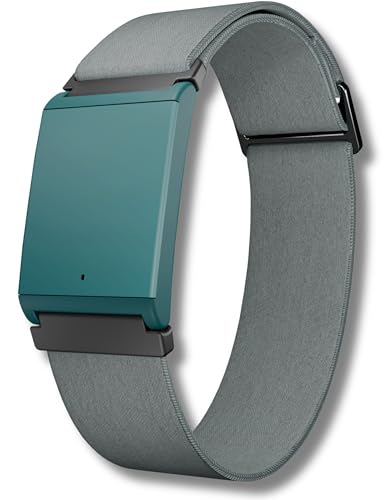 | Multi-Device Pro | Connectivity: Bluetooth / ANT+ | Power Source: Lithium‑ion rechargeable battery | Mounting Type: Arm strap (wearable) | VIEW LATEST PRICE | Read Our Analysis |
| Alomejor 12-Pulse Electric Assist Bicycle Sensor |  | Lightweight Champion | Connectivity: Wired (5V/GND) | Power Source: Wired power (no battery) | Mounting Type: Bottom‑bracket (right side) mount | VIEW LATEST PRICE | Read Our Analysis |
More Details on Our Top Picks

Magene Bluetooth/Ant+ Speed & Cadence Sensor for Cycling
If you’re looking for a reliable sensor that works on both road bikes and indoor trainers, the Magene S3+ is a solid pick. We mount it on the stem or handlebar. and it connects via Bluetooth or ANT+. It tracks speed or cadence, but not both at once, so you need two units for full data. The sensor sleeps after a minute of stillness and wakes when you move. It’s only nine grams, IP66‑rated, and runs on a lithium‑manganese battery. We’ve paired it with Zwift and Wahoo without trouble. The LCD shows basic status, and the magnet comes included.
- Connectivity:Bluetooth / ANT+
- Power Source:Lithium manganese dioxide battery
- Mounting Type:Stem or handlebar mount
- IP Rating / Water Resistance:IP66
- Weight:9 g
- Sensor Mode (Speed vs Cadence):Single mode per sensor (speed or cadence)
- Additional Feature:LCD display on sensor
- Additional Feature:Hibernation after 1 min
- Additional Feature:Stem or handlebar mount
Digital Exercise Bike Monitor Console with LCD Display
We recommend the Digital Exercise Bike Monitor Console with LCD Display for anyone who wants a simple, reliable way to track speed and heart rate on a stationary bike. It fits most spin bikes with a JST port. The 1.5‑inch LCD shows speed and heart rate. It runs on two AAA batteries, not included. Wiring may need tweaking on some models, and you can’t use a 3.5 mm headphone cable. The console only estimates distance from cadence, so treat it as a timer. It’s black, has button controls, and comes with a 30‑day return policy from NV Liquidation LLC.
- Connectivity:Wired JST connector
- Power Source:2 × AAA batteries (not included)
- Mounting Type:JST port on spin bike frame
- IP Rating / Water Resistance:IP20
- Weight:N/A (monitor only)
- Sensor Mode (Speed vs Cadence):Cadence (heart‑rate) only
- Additional Feature:1.5‑inch LCD screen
- Additional Feature:JST connector wiring
- Additional Feature:30‑day hassle‑free return
Magene Bluetooth/Ant+ Speed Cadence Sensor for Bikes
We recommend the Magene Bluetooth/ANT+ Speed Cadence Sensor for anyone who trains indoors and wants a lightweight, reliable way to track both speed and cadence. It works on road bikes, spinning bikes, and trainers. You can pair it via Bluetooth to one app or use ANT+ for multiple devices. The sensor is 8.8 g, black, and IP54 rated, so it handles sweat. It runs on a lithium‑manganese battery that lasts about 500 hours and sleeps after one minute idle. You need two units to measure speed and cadence together, each mounted on the handlebar. Setup is quick: remove the insulating sheet, mount, then select speed or cadence in the app.
- Connectivity:Bluetooth / ANT+
- Power Source:Lithium manganese dioxide battery
- Mounting Type:Handlebar mount
- IP Rating / Water Resistance:IP54
- Weight:8.8 g
- Sensor Mode (Speed vs Cadence):Single mode per sensor (speed or cadence)
- Additional Feature:Auto‑sleep after idle
- Additional Feature:500‑hour battery life
- Additional Feature:Optional GPS support
COROS Bike Cadence Sensor – Bluetooth RPM Tracker
Who needs a lightweight, reliable cadence sensor for indoor cycling? We find the COROS Bike Cadence Sensor fits the bill. It weighs just 11 g and mounts on the crank arm with a tiny plastic housing. Bluetooth pairs it with bike computers, smartwatches, or phones, so we can see RPMs on most training apps. The sensor measures 20–120 RPM and works on spin bikes and outdoor rides alike. A CR2032 battery lasts up to a year, and the IP67 rating protects it from sweat and rain. It’s not ANT+ compatible, but the one‑year warranty and low price make it a solid choice for our indoor sessions.
- Connectivity:Bluetooth only
- Power Source:CR2032 battery
- Mounting Type:Crank arm mount
- IP Rating / Water Resistance:IP67
- Weight:99 g (sensor unit)
- Sensor Mode (Speed vs Cadence):Cadence only
- Additional Feature:Ultra‑light 11 g weight
- Additional Feature:CR2032 battery up to 12 months
- Additional Feature:Crank‑arm mounting
GEOID CS600 Cadence/Speed Sensor (ANT+/Bluetooth)
If you need a sensor that works with both ANT+ and Bluetooth, the GEOID CS600 is a solid pick for indoor cycling. It mounts on the handlebar or stem and comes in black. The sensor handles either speed or cadence, so we use two units for full data. It sleeps after a minute of stillness, saving battery life, and wakes when you start moving. The CR2032 battery powers the tiny 0.03 kg device. It pairs with apps like Zwift, Peloton, and TrainerRoad, but not with Wahoo for dual data. We get a 12‑month warranty and 24‑hour support.
- Connectivity:Bluetooth / ANT+
- Power Source:Lithium polymer (CR2032) battery
- Mounting Type:Handlebar or stem mount
- IP Rating / Water Resistance:IP54
- Weight:30 g (0.03 kg)
- Sensor Mode (Speed vs Cadence):Single mode per sensor (speed or cadence)
- Additional Feature:Button‑driven interface
- Additional Feature:12‑month warranty
- Additional Feature:Includes CR2032 battery
CYCPLUS Cycling Speed & Cadence Sensor Bluetooth ANT+ Waterproof
CYCPLUS’s dual‑mode sensor is perfect for anyone who wants accurate speed and cadence data without extra gear. We mount the tiny 38 × 29.5 × 9.5 mm unit on the hub or crank using the elastic strap and double‑sided tape. It works in Bluetooth or ANT+ and switches between speed and cadence modes. The sensor runs on a lithium‑ion battery that lasts about 300 hours of riding and sleeps when idle. Its IP67 rating keeps it safe from rain or sweat. We can use both sensors together, and the two‑year warranty covers repairs or replacements. This setup fits most apps, like Zwift, without extra hardware.
- Connectivity:Bluetooth / ANT+
- Power Source:Lithium ion battery
- Mounting Type:Hub/crank mount
- IP Rating / Water Resistance:IP67
- Weight:9.2 g
- Sensor Mode (Speed vs Cadence):Separate speed and cadence sensors
- Additional Feature:Elastic strap & double‑sided tape
- Additional Feature:300‑hour battery life
- Additional Feature:Hub mounting design
Pooboo Foldable Upright Exercise Bike with Adjustable Resistance
For anyone who needs a compact, sturdy bike that fits a small apartment, the Pooboo Foldable Upright Exercise Bike with Adjustable Resistance is a solid pick. We like its 4‑in‑1 design. It lets us ride upright for high‑intensity work, semi‑recumbent for low‑impact sessions, and adds arm bands for full‑body training. The steel frame is thick and stable, handling up to 300 lb. Eight magnetic levels give smooth, silent resistance. The seat is oversized and cushioned, and the bike folds flat with wheels for easy storage. A built‑in monitor tracks time, speed, distance, calories, and heart rate. We also appreciate the bottle holder, device mount, and adjustable resistance bands.
- Connectivity:N/A (monitor only)
- Power Source:2 × AAA batteries (monitor)
- Mounting Type:Frame‑mounted stationary bike
- IP Rating / Water Resistance:N/A (indoor stationary bike)
- Weight:39.3 lb (bike weight)
- Sensor Mode (Speed vs Cadence):No cadence/speed sensor (monitor only)
- Additional Feature:8‑level magnetic resistance
- Additional Feature:Built‑in bottle holder
- Additional Feature:Foldable with transport wheels
Cadence & Speed Bluetooth ANT+ Sensor for Cycling
The Bikevee BKV600‑1PCS is perfect for riders who need both cadence and speed data without swapping sensors. We pair it via Bluetooth or ANT+ in seconds. It switches easily between speed and cadence modes with a button press. The LCD shows RPM, and the lithium‑manganese battery lasts about 500 hours. We mount it on the bike frame or shoe, and the IP67 rating handles rain. The package includes a rubber gasket, two straps, and a manual. It works with Zwift and other apps, and the two‑year warranty gives us confidence.
- Connectivity:Bluetooth / ANT+
- Power Source:Lithium manganese dioxide battery
- Mounting Type:Bike mount / shoe mount
- IP Rating / Water Resistance:IP67
- Weight:0.02 lb (~9 g)
- Sensor Mode (Speed vs Cadence):Single mode per sensor (speed or cadence)
- Additional Feature:LCD status display
- Additional Feature:GPS sensor option
- Additional Feature:Shoe‑mount compatibility
Powr Labs Rechargeable ANT+ Heart Rate Armband
If you need a heart‑rate armband that works with every bike app you own, the Powr Labs Rechargeable ANT+ Heart Rate Armband fits the bill. We like its dual Bluetooth 5.0 and ANT+ connectivity. It powers on automatically when we slide it on, so there are no buttons to press. It can broadcast to three devices at once, letting us link a Peloton bike, a smartwatch, and a phone without interference. The optical sensor stays accurate in steady‑state rides and HIIT bursts. The soft silicone strap stays flush, is waterproof, and weighs only 20 g. It ships with a magnetic charger and a one‑year warranty.
- Connectivity:Bluetooth / ANT+
- Power Source:Lithium‑ion rechargeable battery
- Mounting Type:Arm strap (wearable)
- IP Rating / Water Resistance:Waterproof (unspecified rating)
- Weight:20 g
- Sensor Mode (Speed vs Cadence):Heart‑rate only
- Additional Feature:Auto‑wear detection
- Additional Feature:Waterproof for swimming
- Additional Feature:Dual Bluetooth 5.0 + ANT+
Alomejor 12-Pulse Electric Assist Bicycle Sensor
Cyclists who need a reliable, low‑cost way to track pedal rotation will find the Alomejor 12‑Pulse Electric Assist Sensor a solid pick for indoor training. We install it on the right‑side bottom bracket. It connects via a 3.6 ft cable with +5V (red) and GND (black) wires. The integrated Hall sensor reads 12 pulses per wheel turn, using a 6:4 high‑low ratio. It only counts forward motion, so reverse pedaling doesn’t affect data. The plastic housing weighs 33 g, keeping the bike light. It works with electric, commuter, trail, and urban bikes. We appreciate the simple, universal fit and clear rotation feedback.
- Connectivity:Wired (5V/GND)
- Power Source:Wired power (no battery)
- Mounting Type:Bottom‑bracket (right side) mount
- IP Rating / Water Resistance:N/A (plastic sensor)
- Weight:33 g
- Sensor Mode (Speed vs Cadence):Pedal rotation (speed) only
- Additional Feature:12‑pulse Hall sensor
- Additional Feature:3.6 ft cable length
- Additional Feature:Plastic lightweight housing
Factors to Consider When Choosing Bike Pulse Sensors for Indoor Cycles
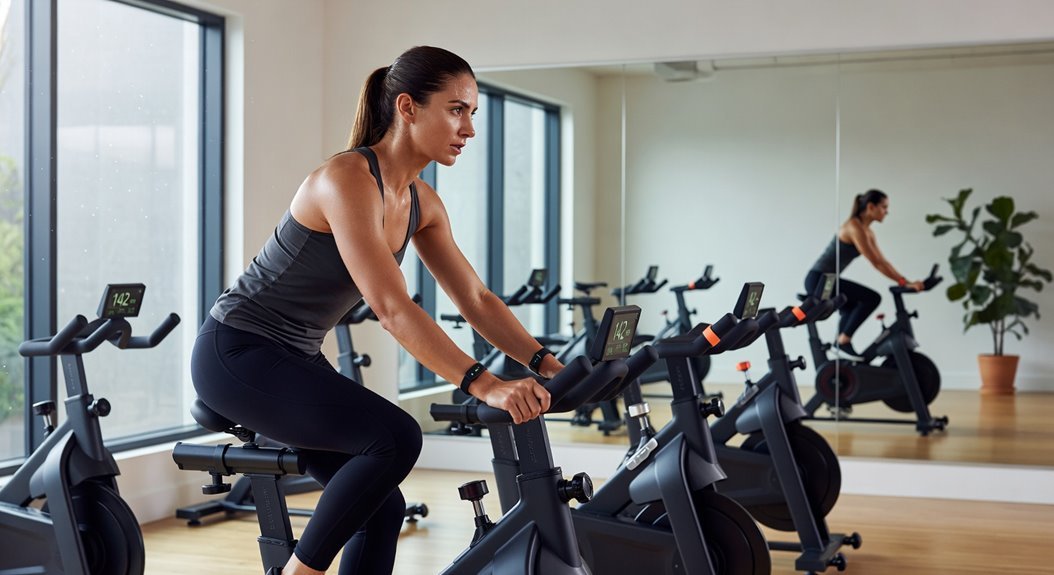
We’ll start by looking at signal accuracy, because reliable heart‑rate data is the foundation of any indoor ride. Next, we’ll compare battery life, connectivity options like Bluetooth or ANT+, mounting compatibility, and water‑resistance ratings to make sure the sensor fits your setup and lasts through sweaty sessions. These factors together guide us toward a sensor that’s both practical and dependable.
Signal Accuracy Metrics
How accurate is the data your bike pulse sensor gives you during indoor rides? We look at RPM, cadence, and speed estimates. Most sensors derive these numbers from pedal cadence or crank rotations. On a stationary bike they’re only estimates, because there’s no real wheel speed or resistance data. Some models need two sensors—one for speed, one for cadence—to give a full picture. Check the testing notes; manufacturers often warn that distance calculations are rough. Wireless protocol matters too. Bluetooth can handle one device, while ANT+ lets multiple devices receive the signal, which can affect consistency in a multi‑device setup. Finally, auto‑sleep features may pause data transmission, so keep the sensor awake and paired for stable readings.
Battery Life Expectancy
Accurate data means nothing if the sensor dies mid‑ride, so we check battery life next. We look for sensors that can run months on a coin cell. like a CR2032. Some claim up to 12 months, while others last a few hundred hours of active use. Sleep or hibernation modes help; the sensor stops broadcasting when the bike is still, extending runtime. Rechargeable models give flexibility but may need more frequent charging than disposables. Switching between speed and cadence or broadcasting to several devices will drain the battery faster. Waterproof designs (IP67/IP54) are useful indoors, but they don’t affect power directly. We weigh these factors to pick a sensor that stays alive through many workouts.
Connectivity Options (Bluetooth/ANT+)
When choosing a bike pulse sensor for indoor cycling, connectivity matters as much as accuracy. We need to check whether the sensor uses Bluetooth, ANT+, or both. Bluetooth usually links to one device at a time, so if you have a phone and a tablet, you’ll have to switch. ANT+ can broadcast to several devices simultaneously, which is handy for group rides or multiple apps. Some sensors pair only through the cycling app, not the phone’s system Bluetooth settings, so we must follow the app’s instructions. Dual‑mode units give us both options and improve compatibility. Keep in mind that if you want to track speed and cadence together, you may need two separate sensors, each using its own mode. Also, app‑centric connections might not work with every device, so we should test before buying.
Mounting Compatibility
One thing we need to check is whether the sensor fits our bike’s frame. We should match the mounting method to our bike. Some sensors clamp to the stem or handlebar, while others mount on the crank arm or hub. Verify if a model offers both stem and handlebar options or only one, because a separate speed sensor may be needed otherwise. Look at the connector type—indoor cycles often use JST plugs, so the sensor must have the right wiring or an adapter. Check weight and size; compact sensors weigh 8–11 g and must clear tires and pedals. If we move between spin bikes, choose a sensor that transfers easily with simple brackets or quick‑release clips.
Water Resistance Rating
How much moisture can a sensor handle? We need to check its IP rating. An IP54 sensor resists water spray and some dust, but it isn’t built for heavy sweat or cleaning spills. IP66 blocks strong water jets, which is useful if splashes happen during intense rides. IP67 is the sweet spot for indoor cycles; it survives immersion up to a meter for a short time, so sweat and occasional wipe‑downs won’t hurt it. When a model lists IP54 or IP67 without a time limit, we should ask for the exact exposure specs. Choosing a sensor with a clear, higher IP rating protects the electronics and gives us confidence during sweaty workouts.
Data Sync Latency
A sensor’s data sync latency is the lag between a pedal stroke and its display on your app. We need to check how fast the sensor talks to the bike. Bluetooth can be slower than ANT+, especially when multiple devices share the link. ANT+ often gives lower latency in multi‑device setups. Pairing steps and app polling add delay, too. If the app re‑pairs often or polls at long intervals, you’ll see a noticeable lag. Real‑time training demands minimal latency, so we prefer sensors that stream continuously with short transmission intervals. Some sensors send cadence and speed separately, which can increase latency because each packet waits its turn. Choose a sensor that streams both together for the smoothest feedback.
Multi‑Device Support
So, does your sensor need to talk to more than one device at once? We check its multi‑device support before buying. ANT+ can broadcast to several phones, bikes, or trainers at the same time, so you can see your heart rate on multiple apps. Bluetooth usually limits you to a single app or device, which can be a hassle if you want to compare data across platforms. Some models need two separate sensors for cadence and speed because each handles only one data type. Choosing a dual‑protocol sensor (ANT+ and Bluetooth) widens compatibility with indoor cycle setups and software ecosystems. Always verify how pairing works—whether the app manages it or you use system Bluetooth settings—to keep connections reliable.
Price‑Performance Ratio
When we compare bike pulse sensors, the price‑performance ratio matters most. We look at what we actually get for the cost. A higher price doesn’t guarantee better accuracy. We should check for dual Bluetooth/ANT+ support, sleep modes, and battery life. Sensors that work with ANT+ let us use many apps and trainers without buying extra gear. Sleep/auto‑wake features, like a one‑minute inactivity sleep, stretch the battery and lower long‑term cost. Units that combine speed and cadence reduce the need for separate devices, saving money. Long battery life—hundreds of hours—and solid IP ratings (IP54–IP67) cut replacement and maintenance expenses. By weighing these factors, we get the best value for indoor cycling.